
Introduction
The different types of AI tools change how we work and live every day. These smart programs help people solve problems faster. For example, they create stories or analyze data with ease. Beginners often wonder about these tools. So, let’s dive in.
AI tools matter because they make tasks simpler. They boost speed and accuracy in many fields. Think about doctors spotting illnesses more quickly. Or teachers helping students learn better. In today’s fast world, AI drives progress. It opens doors for everyone, from students to pros.
This guide explains the basics. We keep things easy and fun. You will see real examples. Plus, learn how AI fits your life. Mendanize helps you grasp these ideas step by step.
What AI Tools Are and Why They Matter
AI tools are software that thinks like humans. They learn from data and make choices. For instance, a chatbot answers questions right away. Or a program predicts weather patterns.
These tools play a big role in industries. They save time and cut costs. Businesses use them to serve customers better. In daily life, you see them in phone assistants like Siri.
Why do they matter? Because they handle boring jobs. This lets people focus on creative work. For example, writers use AI to brainstorm ideas. So, productivity jumps. Additionally, AI spots trends humans miss. It drives innovation everywhere.
Real-life examples show this clearly. A farmer uses AI to check crop health. Or a driver relies on maps with AI traffic updates. These cases prove AI’s value. Therefore, understanding them helps you stay ahead.
Main Categories of Different Types of AI Tools
AI comes in many forms. Each type fits specific needs. We break them down here. You will see how they work in real settings.
AI Writing and Content Creation Tools
These tools help create text and ideas. They generate articles, emails, or social posts. Writers and bloggers love them.
Marketers use them to craft ads fast. Students draft essays with ease. For example, a tool like Grammarly fixes mistakes. Another creates full stories from prompts.
Their impact is huge. Businesses save hours on content. This boosts reach and engagement. So, creativity flows without blocks.
AI Tools for Business and Productivity
These focus on work efficiency. They automate tasks like scheduling. Or they analyze sales data.
Managers use them for reports. Teams track projects better. For instance, tools like Trello with AI suggest next steps.
In real life, they cut errors. Companies make smarter choices. Productivity rises, and workers feel less stressed.
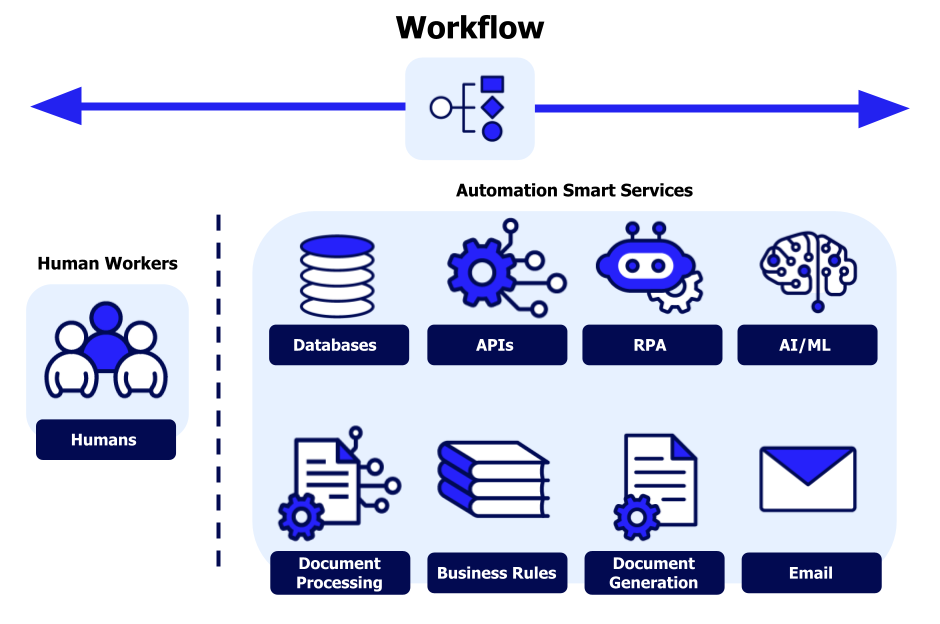
AI Workflow Automation: See How It Works
AI Tools in Healthcare
Healthcare AI aids doctors and patients. It scans images for diseases. Or predicts health risks.
Nurses use it to monitor vitals. Clinics analyze patient records quickly. An example is AI detecting cancer early in scans.
This transforms care. Treatments start sooner. Lives save. Plus, it eases doctor workloads.

How AI is transforming medicine — Harvard Gazette
AI Tools in Marketing and Sales
Marketing AI personalizes ads. It studies customer likes. Then, it suggests products.
Sales teams predict buys. They chat with leads via bots. For example, email tools send tailored messages.
The result? Higher sales. Brands connect deeper. Campaigns work better with less guesswork.
AI Tools in Education and Learning
Education AI acts like tutors. It adapts lessons to student needs. Or grades work fast.
Teachers create custom plans. Learners practice skills anytime. Tools like Duolingo use AI for language fun.
It changes learning. Students grasp topics more quickly. Gaps close. Education becomes inclusive.
[Image Suggestion: AI-powered learning platform example]
AI Design and Creative Tools
Creative AI makes images or videos. It designs logos or edits photos.
Artists brainstorm with it. Designers build websites faster. For instance, Canva’s AI suggests layouts.
Impact shows in speed. Ideas turn real quick. Creativity expands for all.
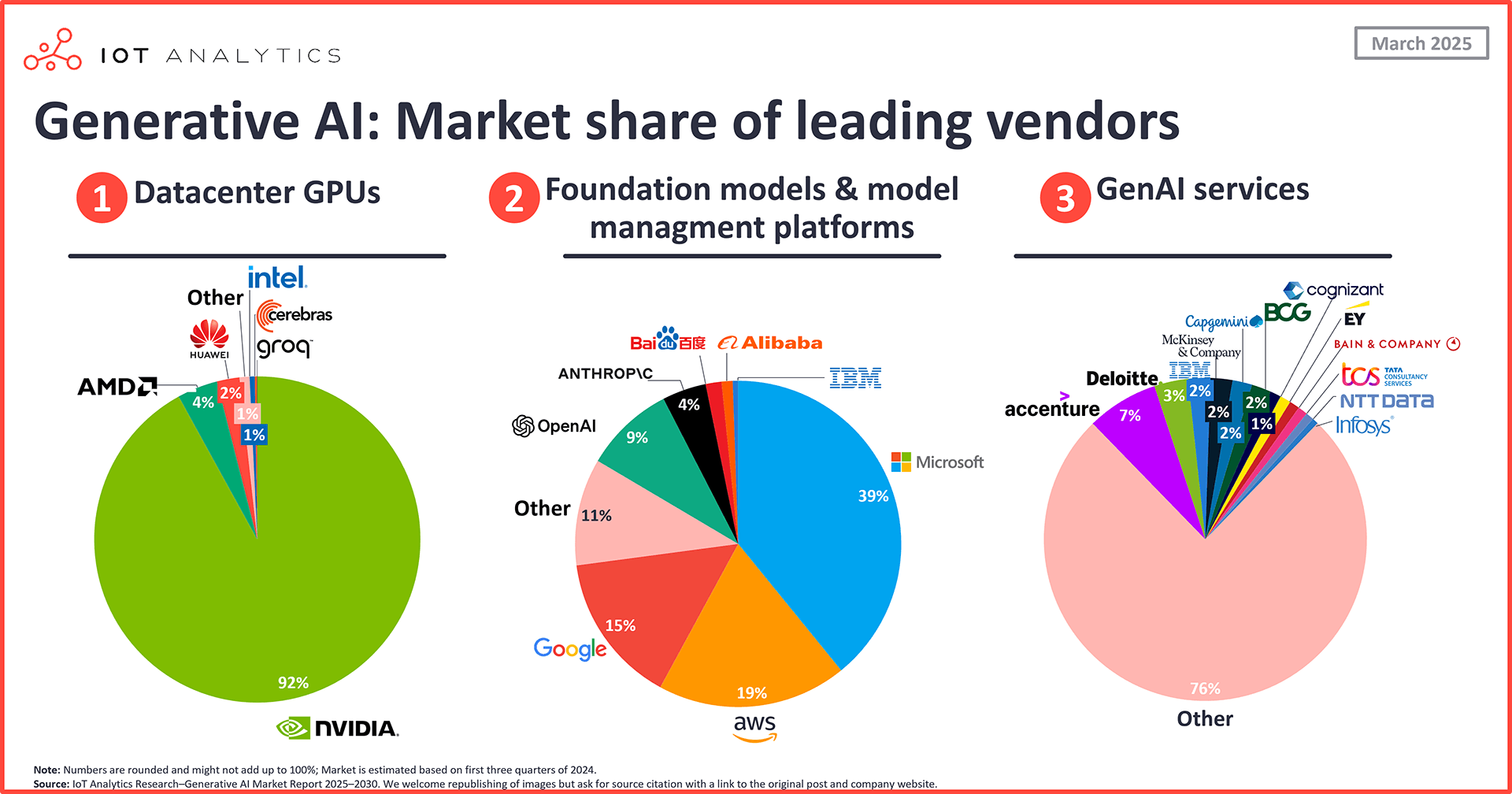
The leading generative AI companies
How Different Types of AI Tools Transform Industries
AI changes industries step by step. First, it collects data. Then, it analyzes patterns. Finally, it offers solutions.
In business, AI tools for productivity automate routines. This frees time for strategy. For example, banks use AI to detect fraud fast. So, security improves.
Healthcare sees big shifts. AI tools in diagnosis spot issues early. Doctors confirm and treat. Patients recover better. Additionally, hospitals manage resources well.
Marketing transforms with personalization. AI studies behaviors. It tailors offers. Sales rise. Brands build loyalty.
Education evolves through smart tools. They track progress. Adjust teaching. Students succeed more. Teachers focus on mentoring.
Creative fields boom. AI design tools inspire. They handle basics. Artists innovate freely.
Overall, industries grow more efficiently. Innovation speeds up. Benefits touch everyone.
Benefits of Using AI Tools
- Saves time on daily tasks.
- Boosts accuracy in work.
- Cuts costs for businesses.
- Sparks new ideas.
- Improves customer service.
- Enhances learning experiences.
- Supports better decisions.
Pros and Cons of AI Tools
Pros
- Easy to use for beginners.
- Handles big data quickly.
- Available 24/7.
- Scales with needs.
- Integrates with other tech.
Cons
- May need training to start.
- Relies on good data.
- Can make mistakes if not checked.
- Costs money for the advanced ones.
- Raises job shift concerns.
Common Challenges When Using AI Tools
Learning curves exist. New users feel overwhelmed at first. Start small to build confidence.
Data privacy worries many. AI handles personal info. Choose tools with strong security. Always read policies.
Overdependence happens. People forget basic skills. Balance AI with human input. This keeps things real.
Costs add up. Free versions limit features. Budget wisely for value.
Integration issues arise. Not all tools fit old systems. Test compatibility early.
Ethical questions pop up. AI might bias results. Use diverse data to avoid this.
Address these head-on. You gain more from AI.
Frequently Asked Questions
What are the different types of AI tools? AI tools include writing aids, productivity boosters, healthcare helpers, marketing optimizers, education tutors, and design creators. Each serves unique needs.
How do AI tools transforming industries work? They learn from data. Then, they automate or suggest actions. For example, in business, they predict trends.
Are types of artificial intelligence tools safe? Most are safe with good practices. However, check privacy settings. Use trusted sources.
What AI tools for business, healthcare, education, and marketing exist? Business has automation apps. Healthcare uses diagnostic software. Education offers learning platforms. Marketing features personalization tools.
How are AI tools used in real life? People use them daily. For instance, voice assistants plan days. Or apps edit photos.
Can beginners use AI tools? Yes, many have simple interfaces. Start with free trials. Learn step by step.
Do AI tools replace jobs? They change roles. But they create new ones too. Focus on skills AI can’t do.
How do I choose the right AI tool? Match it to your need. Read reviews. Try demos.
Key Takeaways
- AI tools come in many types.
- They transform work and life.
- Use real examples to learn.
- Balance pros and cons.
- Start simply as a beginner.
- Mendanize guides you further.
Final Thoughts from Mendanize
AI opens exciting paths. Explore more guides on our site. We make learning easy and fun. Bookmark this page. Share with friends. Join us to master digital tools. Your journey starts now.